
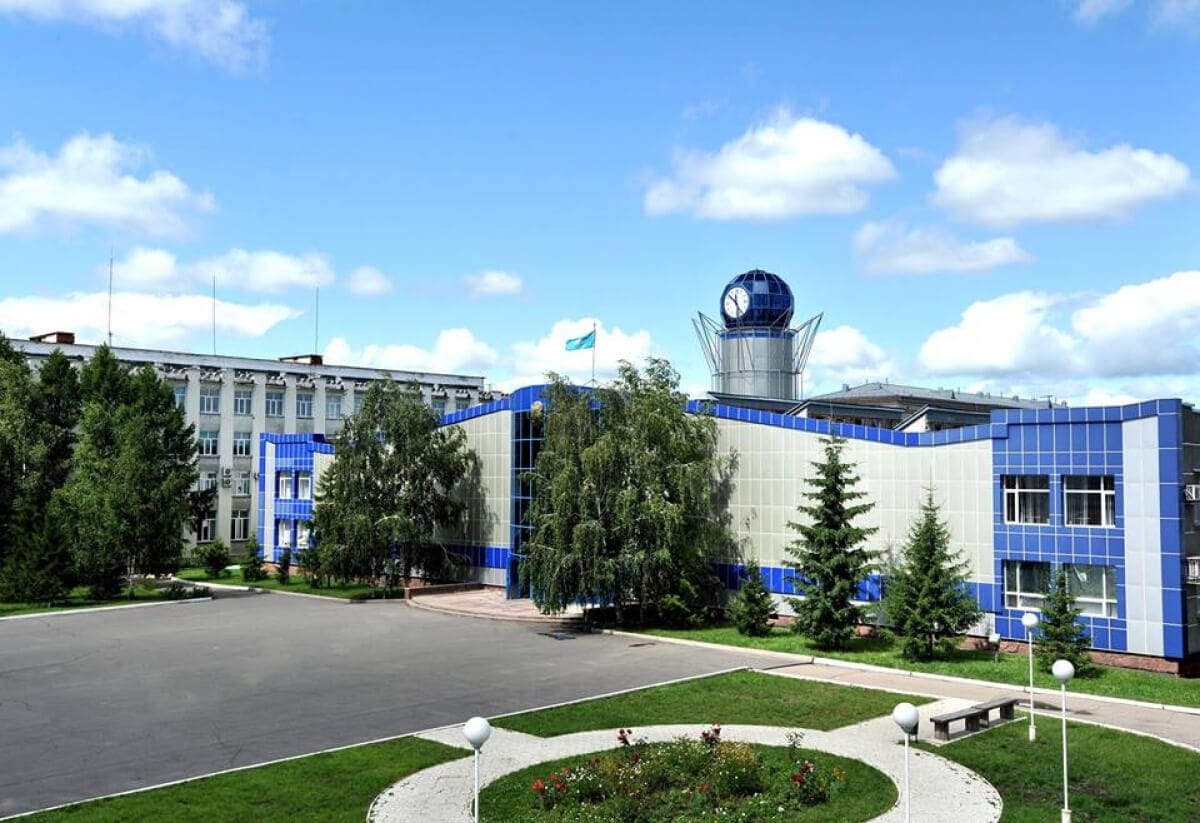
Understand your programme
Review the current intake structure, clinical training and licensing route alongside the supplied brochure.
UNEXT FEATURED UNIVERSITY · MBBS PATHWAY
Petropavl, Kazakhstan
A structured medical education pathway with academic support, accommodation, Indian food and regular parent communication for Indian students.
For Parents: Understand where your child will stay, what they will eat, how their academics will be monitored, and who you can contact if support is needed.
A practical family decision
Choosing a medical university means looking beyond the course name. Families also need clarity about daily life, academic guidance and the support available when a student moves abroad.
Review the current intake structure, clinical training and licensing route alongside the supplied brochure.
An English-language education pathway designed for international students.
Separate boys’ and girls’ accommodation arrangements, subject to current allocation.
Indian food and mess arrangements covering breakfast, lunch and dinner.
The university, hostel and teaching hospitals are presented within the same vicinity.
A structured plan for attendance, marks, academic progress and concern updates.
2026–27 intake update: The Indian Embassy’s 1 October 2026 advisory describes a seven-year standard medical programme in Kazakhstan and a possible six-year accelerated route subject to conditions. Clarification on local licensing for the accelerated route was still awaited in that advisory. Ask for the exact NKU programme, duration, internship and local licensing position in writing before paying. Read the current advisory and questions to ask.
Programme outline in the supplied brochure
The supplied brochure shows the outline below. Confirm how it maps to the current 2026–27 intake and the Embassy’s course-duration advisory.
Anatomy, Physiology, Biochemistry, Histology and Microbiology.
Internal Medicine, Surgery, Pediatrics, Obstetrics & Gynecology and other clinical disciplines shown in the programme.
A dedicated period of practical clinical training.
Confirm the exact programme title, curriculum, teaching language and internship structure in the university’s written admission documents.
A home away from home
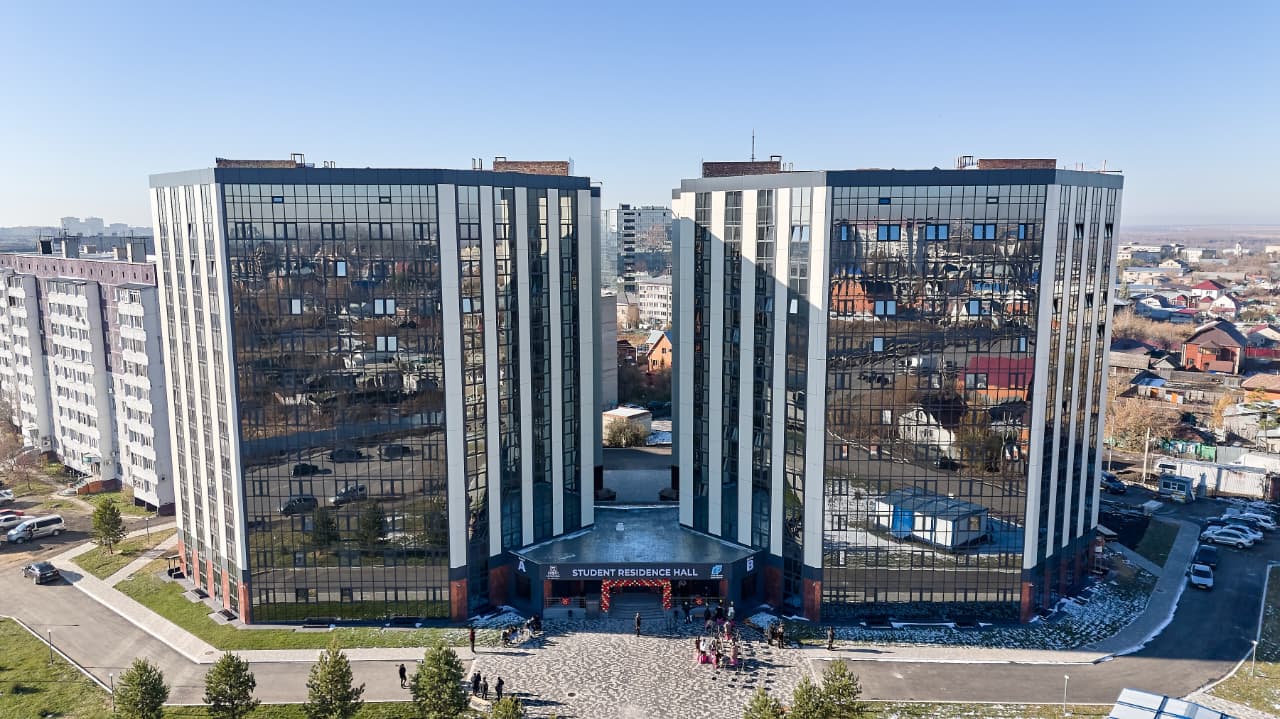
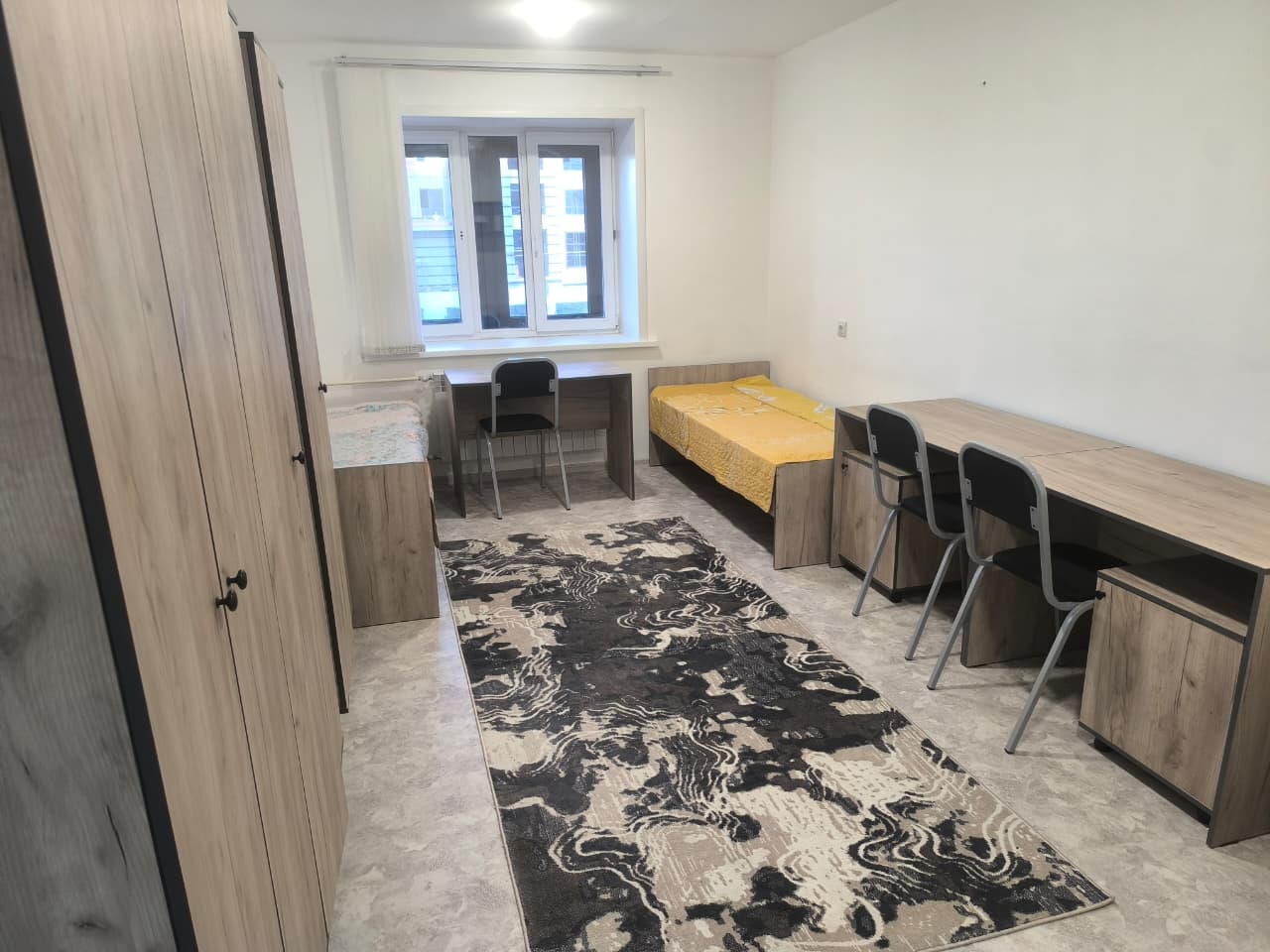
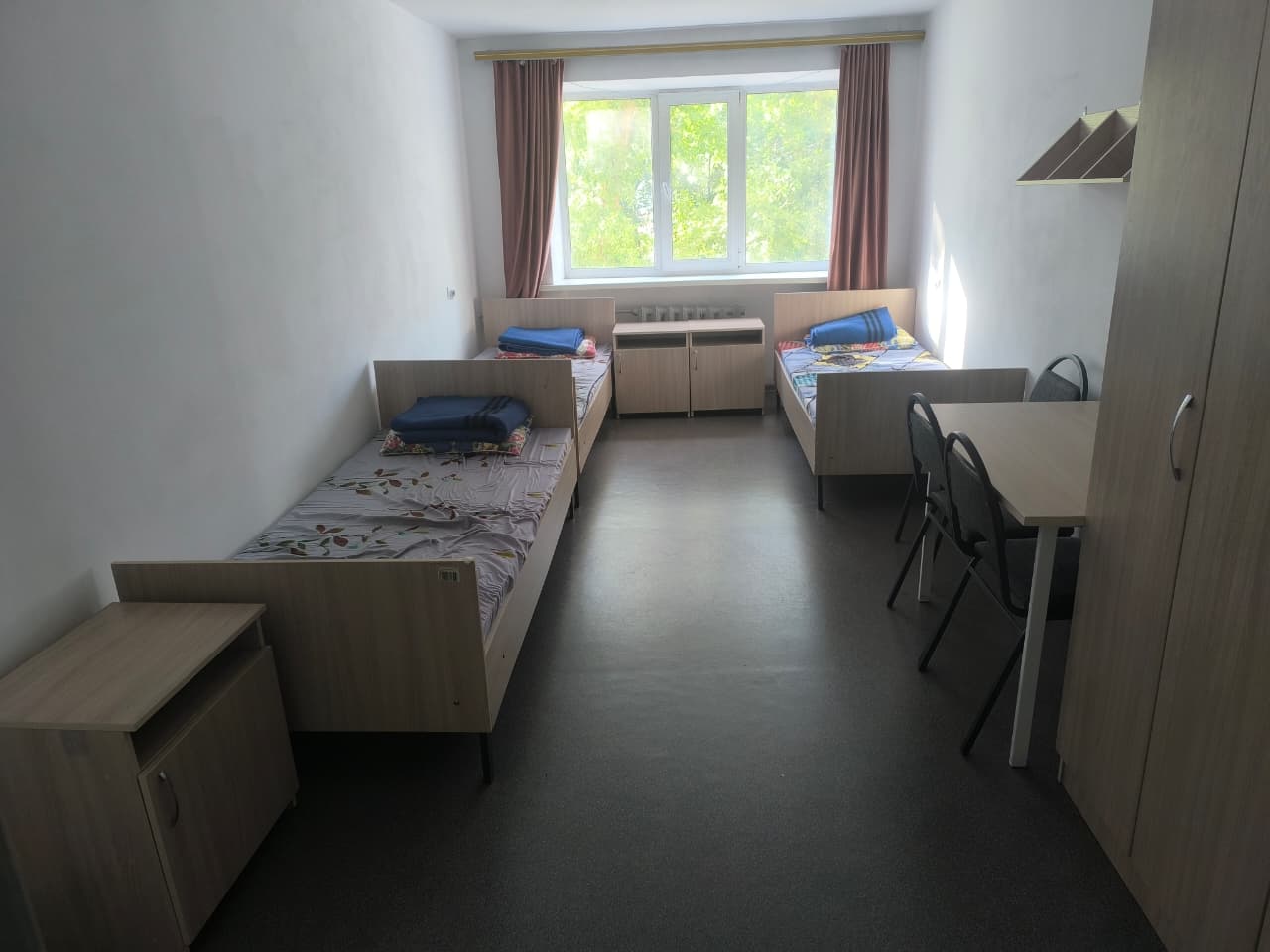
Comfortable accommodation and a simple daily routine matter when a student is living abroad for the first time. The supplied photographs show examples of the residence and shared rooms.
Room type, sharing, building and facilities can vary. Confirm the accommodation included in your written offer.
Indian mess / food support
Food is one of the first concerns parents have when their child moves abroad. The programme brochure describes an Indian mess facility for students.
Families should confirm the current mess plan, inclusions and applicable charges for the intake year. Menus and service arrangements can change.
University + hostel + hospitals in the same vicinity
Shorter daily travel can mean more time for classes, clinical learning, rest and study. The brochure places the university, hostel and several hospital facilities within the same vicinity.
A simpler routine between accommodation, classes and clinical facilities.
More time for study, rest and academic preparation.
Hospital facilities are described at a range of approximate distances.
Distances are approximate figures shown in the 2026–27 programme brochure. Actual routes depend on the allocated hostel, teaching site and hospital schedule.
Monthly Parent WhatsApp Update
Parents should not have to wait until the end of a semester to understand whether their child is attending and progressing academically.
A simple monthly attendance update.
Updates on marks, progress and upcoming assessments where available.
Parents can be informed when a concern needs attention.
The support team can coordinate a follow-up with the student when required.
This is a planned monthly communication process, not real-time academic monitoring or a 24×7 emergency service. Confirm the current update process before departure.
One clear point of contact for parents
Parents should not have to find their way through several departments when they need help. The support model describes an India-side point of contact that can help coordinate communication and follow-up.
India-side supportA clear route for parents to raise a question.
Help coordinatingSupport in reaching the student or relevant university contact.
Early concern identificationConcerns can be flagged before they grow.
Student follow-upDirect follow-up with the student when needed.
Beyond the regular curriculum
The support plan combines exam preparation, clinical learning and exposure to experienced medical professionals.
A structured preparation framework designed to begin alongside medical study.
See the approachLearning that helps students connect medical concepts with clinical environments.
Explore clinical learningPlanned exposure to professional healthcare environments and experienced educators.
Understand the opportunityStart early. Prepare consistently.
The academic support plan includes structured preparation through collaboration with Physics Wallah MedEd. The aim is to help students build preparation steadily alongside their medical education.
Preparation is strongest when it begins with the fundamentals and continues consistently—not only in the final year.
FMGE support does not guarantee a pass result. NExT is not operational as of September 2026; students should follow current NMC and NBEMS notices.
Understand core medical fundamentals.
Follow a structured approach to major subjects.
Build familiarity with examination-style questions.
Track progress and identify problem areas.
Keep important concepts fresh.
Learn how to approach preparation effectively.
 Clinical learning develops step by step
Clinical education
Clinical learning helps students understand how medical knowledge is used in real settings. Exposure may include:
The level of participation depends on the year of study, hospital rules, supervision and student readiness. Specific procedures are not guaranteed.
Real-world perspectives
These opportunities are designed to help students see how experienced professionals work and think in clinical environments.
The programme brochure describes observership exposure at Max Healthcare. Students may observe professional healthcare environments and learn how clinical teams work.
Topics may be led by doctors and medical educators from leading Indian institutions, including AIIMS experts. This does not represent an institutional partnership with AIIMS.
Schedules, selection, format and availability can vary. These opportunities are not guaranteed placements or clinical employment.
Life outside lectures
A balanced routine includes focused study, rest, recreation and the experience of living in an international student community.
Spaces and connectivity that support independent study.
Facilities described for exercise and downtime.
Opportunities to relax and spend time with other students.
A chance to learn alongside students from different backgrounds.
From counselling to campus
A clear process helps students and parents prepare documents, payments and travel in the right order.
Exact timelines and document requirements can vary by intake, so students should confirm the current process before applying.
Documents required
Keep clear, readable copies ready. Exact requirements can change by intake, and additional attestation or translation may be requested.
2026–27 family budget
Understand what you will pay each year and what the main student-living costs are before you decide.
Year 1 is structured differently from the later annual tuition amount.
Per year for five years.
Year 1 package plus five annual tuition amounts; not a confirmed full-programme budget.
Per year, shown as one combined amount.
The six-year quotation shown here must be reconciled with the current intake duration. Any additional year’s tuition, living costs and training arrangements remain unconfirmed. Request a complete revised schedule; do not treat this subtotal as the final cost of qualifying.
Fees are approximate planning figures and are subject to revision under university guidelines. Tuition can vary from year to year, including changes of about 5–10% depending on inflation and university decisions. Confirm the final written fee schedule, inclusions and payment instructions before paying.
This public page is limited to tuition and the combined hostel-and-mess amount. Ask for a current written quotation before making a financial decision.
Regulatory & recognition information
Indian students should assess the exact programme—not only the university name—against the rules that apply to them.
A valid qualifying NEET-UG result is required for Indian applicants under the applicable rules.
Confirm course duration, subjects, teaching language, clinical training and internship in writing.
FMGE continues to be conducted in 2026. NExT remains deferred and is not operational as of September 2026.
Appearing in WDOMS, an Embassy list or another directory does not mean NMC approval, guaranteed Indian eligibility or regulatory endorsement.
Questions families ask
Clear answers to the points students and parents commonly discuss before counselling.
The supplied brochure describes six years. The October 2026 Embassy advisory describes a seven-year standard programme and a conditional accelerated route, with clarification on accelerated-route local licensing still awaited. Obtain written confirmation for the exact NKU intake before relying on the brochure structure.
The pathway is presented as English-medium education for international students. Students should still expect to learn local-language basics for everyday life and patient communication.
Yes. Indian applicants should have a valid qualifying NEET-UG result and must meet the eligibility rules that apply in the year of admission.
For 2026–27 planning, Year 1 is US$7,650. Years 2–6 are US$3,900 per year. These quoted amounts add to US$27,150 across the six years shown. They do not establish the cost of any additional programme year. Fees can be revised under university guidelines, so confirm the current written schedule before payment.
The current planning figure is US$2,200 per year for hostel and mess together. Confirm the current accommodation, meal plan, room allocation and inclusions before payment.
The programme brochure describes separate accommodation arrangements for boys and girls. Final building and room allocation depend on availability and the written accommodation offer.
The support plan describes a monthly WhatsApp update covering attendance, marks, academic progress and concerns that require follow-up. Ask your counsellor to explain the current process and contact details before departure.
The academic support plan includes structured FMGE preparation through collaboration with Physics Wallah MedEd. It covers concepts, subject-wise study, questions, assessments, revision and exam strategy. Participation does not guarantee an examination result.
Take the next step with clarity
Speak with a UNEXT counsellor to understand eligibility, fees, accommodation and the admission process.